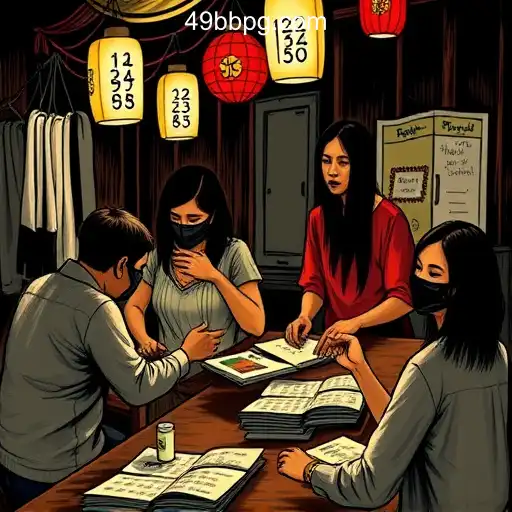
Exploring the Intricacies of Jueteng: Unraveling Tradition and Controversy
Jueteng is a numbers game that has been entrenched in the fabric of Filipino society for decades. A game of chance involving the drawing of numbers, it is often described as an illegal numbers game, yet continues to operate under the radar in various communities across the Philippines. Its endurance and pervasiveness reflect a complex interplay of culture, economics, and politics that has both intrigued and concerned observers and participants alike.
The Origins and Mechanics of Jueteng
The origins of Jueteng can be traced back to the Spanish colonial period, where it was introduced as a form of gambling. Over the years, it has evolved and ingrained itself deeply into Filipino culture. The name 'Jueteng' is derived from the Chinese phrase 'hue teng', meaning flower stem. This echoes the game’s origins and its adaptation over time. Although it remains illegal, the game operates in a structured manner, often involving local 'cabos' or coordinators who facilitate the collection of bets and distribution of winnings.
Understanding the mechanics of Jueteng is relatively straightforward. Players select a combination of two numbers ranging from one to thirty-seven. These bets are collected by cabos who relay them to a central coordinator or manager, often referred to as a 'kubrador'. Once the bets are collected, a drawing is held to determine the winning numbers. The simplicity and accessibility of this game make it highly appealing to a broad spectrum of society.
Jueteng and Its Social Implications
Despite its illegal status, Jueteng has become an accepted part of the societal landscape in various regions. Part of its appeal lies in the excitement and the
prospect of instant cash rewards, capturing the imagination and hope of many Filipinos. The keyword phrase '49bb: Dive into excitement and fun daily' encapsulates the allure that Jueteng holds for its players. Every draw offers the potential of life-changing winnings for those who risk their few pesos.
However, Jueteng's impact extends beyond entertainment; it plays a significant socio-economic role in the communities it thrives in. For many, it is a source of livelihood. The network of bet collectors, coordinators, and managers involved sustain an underground economy that provides much-needed employment opportunities. This aspect of Jueteng cannot be overlooked when considering its tenacity and prevalence.
The Economic Influence of Jueteng
The economic implications of Jueteng are both significant and multifaceted. The money generated through this game feeds into local economies, albeit informally, contributing to the financial support of many families. This underground market demonstrates a resilient system of cash flows that steadily progresses despite governmental efforts to dismantle it.
Individuals often turn to Jueteng in hopes of bettering their financial circumstances. The return on investment, although highly speculative, offers a dream of financial windfall. For some, this potential outweighs the absence of concrete financial opportunities in regions where mainstream economic growth is stagnant or unreachable.
The Political Dynamics Surrounding Jueteng
Jueteng is not without its controversy, often caught up in the web of political intrigue and scandal. The illegal nature of the game requires a degree of connivance with local authorities and law enforcement known colloquially as 'protection'. Such complicity gives rise to institutional corruption, wherein influential figures may benefit financially or politically from their clandestine support of the game.
This intricate relationship between politics, governance, and illicit activities like Jueteng is a subject of intense debate and scrutiny, as it often underscores systemic issues of governance and accountability. This triangular dynamic between players, operators, and officials creates a barrier to the game's eradication, despite numerous crackdowns and policy plans aimed against it.
Challenges and Prospects
Addressing the issue of Jueteng continues to pose significant challenges for lawmakers and society. There are numerous perspectives on how best to handle its prevalence. Some argue for stricter enforcement and punishment to deter participation, while others advocate for regulation and potential legitimization, drawing comparisons to other forms of gambling that have been legalized with proper oversight.
Regardless of the approach, any solution requires understanding the socio-economic roots that sustain Jueteng. Efforts to dismantle or legalize Jueteng must consider the communities that rely on it economically, the cultural attachment, and the political entanglements that perpetuate its existence.
In conclusion, Jueteng endures as a complex and multifaceted issue reflecting broader challenges within the social, economic, and political spheres of the Philippines. Its tradition of excitement and hope, mirrored by the phrase '49bb: Dive into excitement and fun daily', continues to attract countless individuals to its alluring gamble - a testament to its embedded place in the tapestry of everyday life.